
Are you planning a vacation? But don’t have enough space to carry all your belongings? Whether it’s summer or winter, roof racks are essential for transporting everything you need. Whether it’s a roof box, a ski rack, or a bike rack, they make it easy to bring your gear along. That way, you can enjoy a stress-free vacation and a peaceful drive.
WHAT YOU NEED TO KNOW
Mounting methods vary and may differ from one model to another. Therefore, it is essential to choose roof racks that are compatible with your vehicle. Roof racks offer a practical and safe solution for transporting your gear. In addition, they help you make the most of the available space in your vehicle while making it easier to transport your gear. They are compatible with all types of vehicles. The choice of roof racks depends on your vehicle’s make, model, and model year.
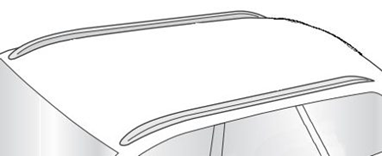
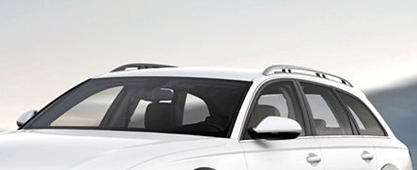
Some cars will have rails running the length of the car. These can come in two forms: open or closed.
Roof racks are available in two materials: aluminum and steel. Each has its own advantages and disadvantages. In fact, the choice of material also affects the price.
Materials:
Aluminum roof racks
: – They are very lightweight
– They have a sleeker, more attractive design
– Their aerodynamic shape helps reduce fuel consumption and minimize wind noise.
– Aluminum roof racks are generally more expensive than steel roof racks
Steel roof racks
: – They have the advantage of being sturdier
– They are more economical than aluminum racks
– They are slightly less attractive than aluminum ones
– Steel is more susceptible to corrosion
The weight limit:
In addition, each roof rack has a load capacity ranging from 50 to 100 kg. Therefore, be sure to choose a model that is suitable for your equipment. Also, your needs will vary depending on whether you’re transporting bicycles or a roof box.
It’s important to note that driving with roof racks will increase your vehicle’s fuel consumption.
Types of roof racks:
Does your roof have factory-installed side rails? The integrated rail (RA) or handrail (SW) mounts will be the best fit.
Some cars are already equipped with roof racks, also known as “longitudinal bars”; these are most commonly found on station wagons or minivans. To transport your gear, you’ll need to add crossbars that attach perpendicularly (across the width of the vehicle).
Does your roof have anchor points? A fixed-point (FP) attachment will be the most suitable option.
On some vehicles, you’ll notice threaded holes covered by a cap near the doors. This allows you to easily attach your roof racks using a complete, custom-designed mounting system.
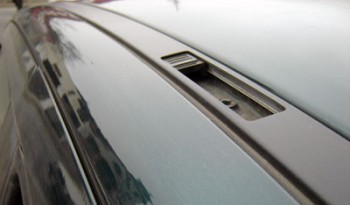
Does your roof have neither rails nor anchor points? The standard clamp mount (ST) will be the best fit.
If your car does not have a mounting system, you will need to secure your roof racks in the door jamb using the mounting feet. The “foot” of your roof rack will snap into place in the upper part of the door jamb. Anti-theft
devices:
Some models come with a factory-installed anti-theft device or offer it as an option. This is an essential feature for traveling safely.
Tip Polaire: Although roof racks are weather-resistant, we strongly recommend that you protect them from corrosion. Doing so will help maintain their condition and, at the same time, extend their lifespan.
To explore our entire line of roof racks, visit our website Polaire.